


Unlike some other vitamins -- vitamin E and vitamin C -- vitamin B is not a single compound but a class of nutrients that are vital for optimal human functioning. Sometimes called B vitamin complex, the B vitamins serve as important cofactors that facilitate important metabolic processes.
What Are the B Vitamins and What Do They Do?
The B vitamins share similar names but are actually chemically distinct from one another. Each of the vitamins has a number (e.g., vitamin B1) as well as a chemical name (e.g., thiamine). All of these vitamins are water soluble, meaning that excess amounts that are ingested may be excreted by the body. Following are the eight compounds that make up the B-complex vitamins as well as their primary activities in the human body:
- Vitamin B1 (thiamine). Thiamine serves as a coenzyme that facilitates the breakdown of carbohydrates and amino acids (Erlich, 2015).
- Vitamin B2 (riboflavin). Riboflavin undergoes a chemical reaction to form two chemicals, FAD and FMN, which help to activate other vitamins. Thus, getting enough riboflavin is essential for facilitating the action of a range of vitamins within the body.
- Vitamin B3 (niacin). Niacin is a precursor of important enzymes needed to create fatty acid and cholesterol molecules. Vitamin B5 (pantothenic acid). Pantothenic acid is converted into coenzyme A, an essential molecule for the metabolism of fatty acids and energy generation.
- Vitamin B6 (pyridoxine). Pyridoxine helps the body create neurotransmitters, which convey messages between nerve cells (Gregory, 2015). These neurotransmitters go on to regulate mood and circadian rhythms.
- Vitamin B7 (biotin). Biotin is necessary for the creation of glucose molecules. It is thought to support the growth of the hair and nails.
- Vitamin B9 (folic acid). Folic acid is an essential vitamin for the repair of DNA. It plays a large role in cell division, making it especially important for a healthy pregnancy.
- Vitamin B12 (cyanocobalamin, methylcobalamin). The cobalamins collectively are called vitamin B12. These compounds are present in every cell in the human body (Erlich, 2015). Cobalamins are particularly important for the synthesis of DNA and nutrient metabolism.
All of the B vitamins work together to support health. For example, getting enough thiamine is associated with lower levels of depression, better immune system activity, and reduced risk of cataracts (Erlich, 2015). Vitamin B6 appears to reduce risk of cardiovascular disease, age-related cognitive decline, and cancer (Gregory, 2015). Vitamin B9, or folic acid, is particularly important for pregnant women. Failure to get enough folic acid before and during critical stages of pregnancy can result in neural tube defects such as spina bifida or anencephaly (National Institutes of Health [NIH], 2015). Collectively, getting these important B vitamins can protect you against a range of chronic health conditions.
B Vitamin Rich Foods
The snacks below were selected due to their status as a source for different B vitamins. While not every food contains every B vitamin, many selections are sources of multiple forms of the nutrient.
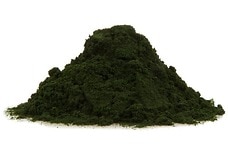
Organic Chlorella Powder |
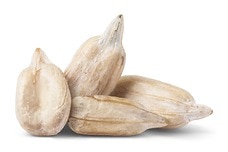
Raw Sunflower Seeds (No Shell) |
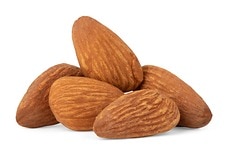
Raw Almonds (No Shell) |
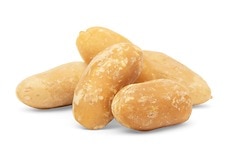
Roasted Virginia Peanuts (Unsalted, No Shell) |

Roasted Golden Chickpeas (Salted) |
ReferencesErlich, S. (2015). Vitamin B1. University of Maryland Medical Center. Retrieved from http://umm.edu/health/medical/altmed/supplement/vitamin-b1-thiamine Erlich, S. (2015). Vitamin B12. University of Maryland Medical Center. Retrieved from http://umm.edu/health/medical/altmed/supplement/vitamin-b12-cobalamin Gregory, J.F. (2015). Vitamin B6. Linus Pauling Institute. Retrieved from http://lpi.oregonstate.edu/mic/vitamins/vitamin-B6 McNulty, H. (2014). Folate. Linus Pauling Institute. Retrieved from http://lpi.oregonstate.edu/mic/vitamins/folate National Institutes of Health. (2015). Thiamine. Retrieved from https://www.nlm.nih.gov/medlineplus/druginfo/natural/965.html The George Mateljan Foundation. (n.d.). The World's Healthiest Foods. Retrieved June 03, 2016, from http://whfoods.org Watanabe, F., Takenaka, S., Kittaka-Katsura, H., Ebara, S., & Miyamoto, E. (2002, October). Characterization and bioavailability of vitamin B12-compounds from edible algae. Retrieved June 03, 2016, from http://www.ncbi.nlm.nih.gov/pubmed/12656203 |